ON THIS PAGE
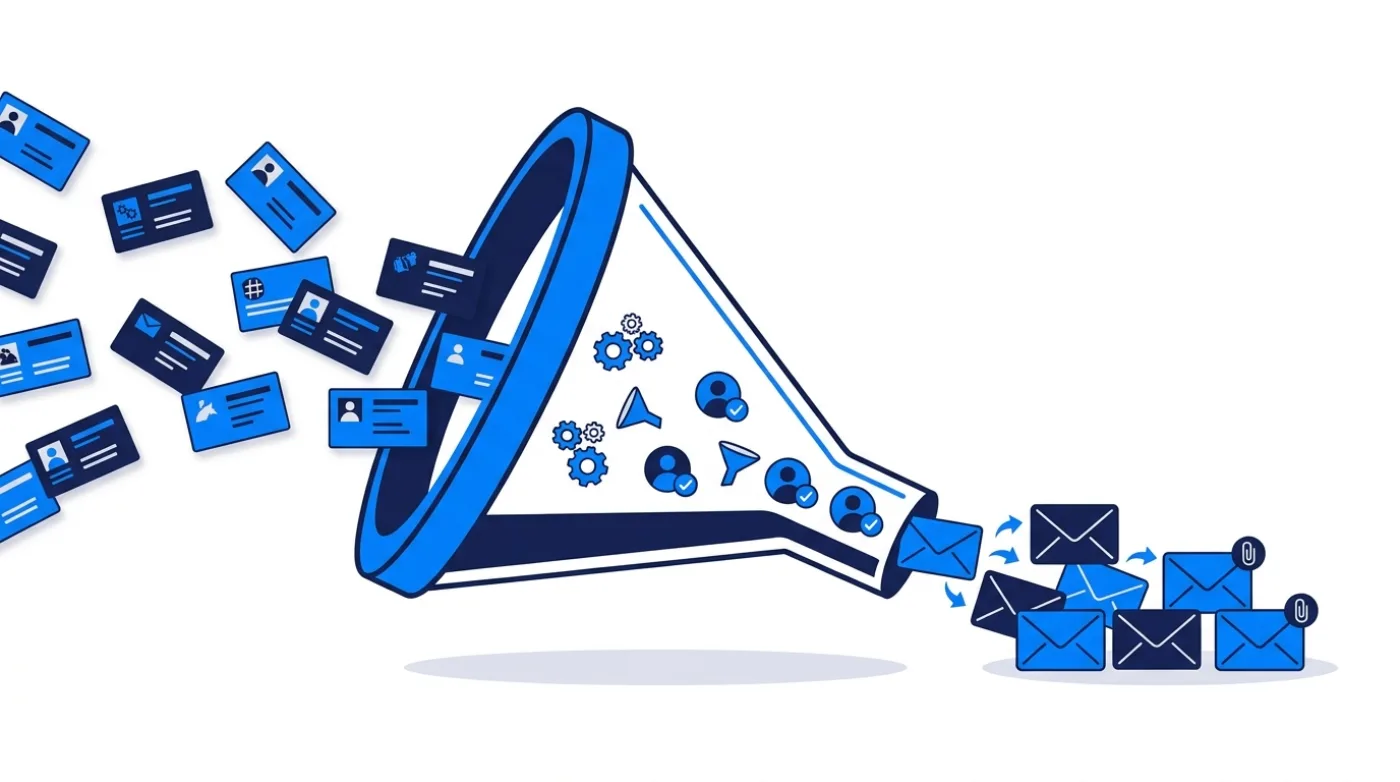
B2B lead generation is the process of finding the right companies and people, confirming how to reach them, and starting conversations that turn into pipeline. In 2026 the mechanics have settled into a repeatable system: find, verify, send. This guide is the complete playbook, with links to the deep dives for every step.
What B2B lead generation actually is
Strip away the jargon and B2B lead generation is three jobs done in order. First, build a list of the right people (your ICP). Second, confirm their emails are real so you do not bounce. Third, reach them with a message worth replying to. Everything else, channels, tools, tactics, is in service of those three jobs. Teams that overcomplicate it usually skip step two and wonder why their domain landed in spam.
1. Finding leads
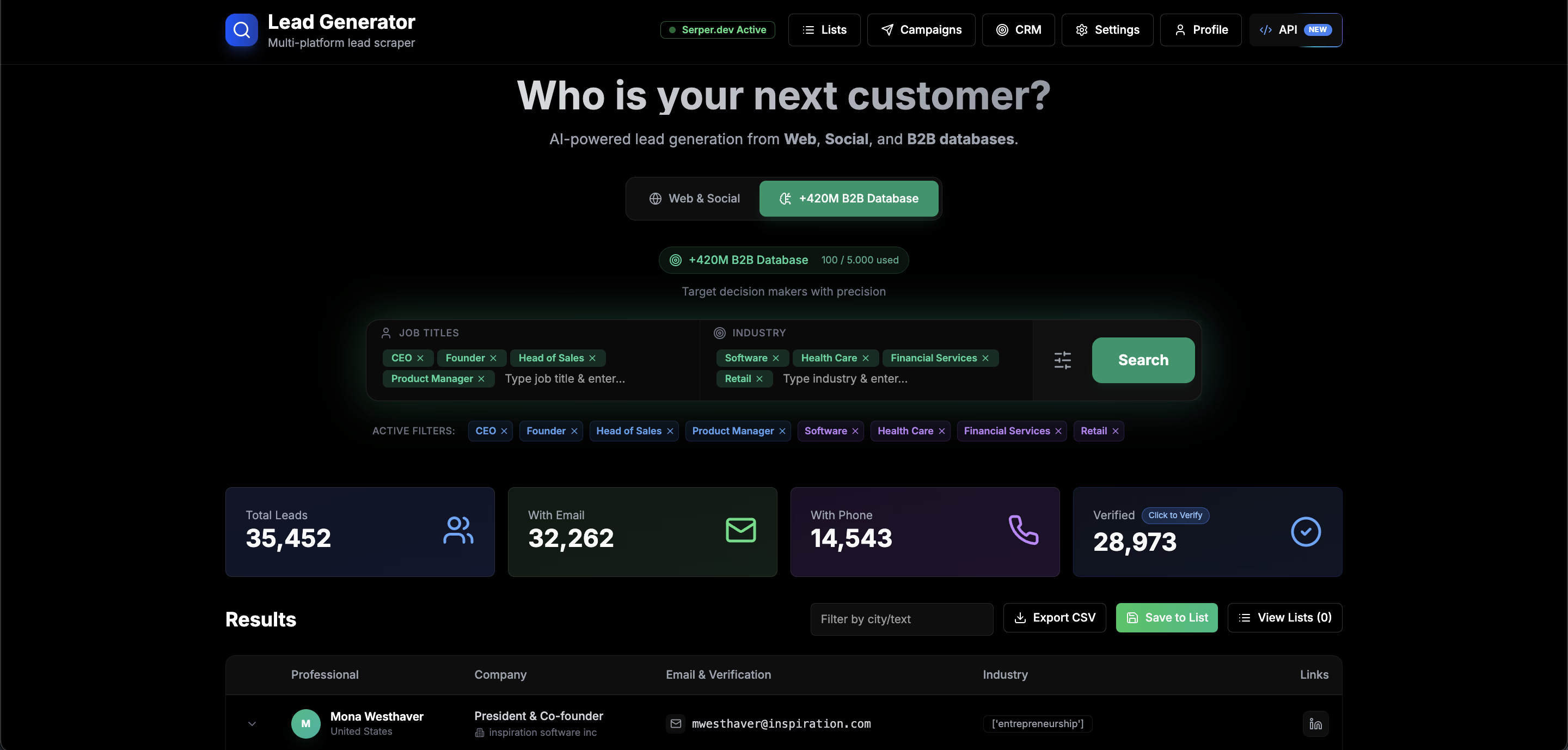
You have two reliable ways to find B2B leads at scale: search a verified B2B lead database by persona, or use a lead scraping tool across sources like LinkedIn and Google Maps. The detailed methods are in how to find anyone's email and how to scrape LinkedIn leads.
The rule that matters: keep lists narrow. "Founders of 11 to 50 person B2B SaaS companies in the US" gets 3 to 5x the reply rate of "founders," because the copy can speak to one specific pain. Compare the options in our roundup of the best lead generation tools and best lead scraping tools.
2. Verifying leads (the step everyone skips)
A list you have not verified will bounce 10 to 20%, and bounce rate is the single strongest negative signal in sender reputation. Run every list through SMTP verification before sending, spot-check with the free email verifier, and understand catch-all addresses so you handle the risky 10 to 25% correctly.
3. Cold email that actually lands
Cold email is 80% infrastructure. Before you write a word, authenticate your domain (SPF, DKIM and DMARC, checked with the deliverability test) and warm up your inboxes. Then focus on the message: subject lines that earn the open, personalization that feels human, and a real follow-up sequence (over half of replies come from follow-ups). The full playbook is in the deliverability guide, and copy-paste templates cover every use case.
4. Choosing your tools
The market splits into data platforms, cold email senders, and rare all-in-one tools. See the best B2B lead generation tools and best cold email tools for full rankings, or compare Getlead directly against Apollo, Instantly, ZoomInfo and more on the comparison hub. The decision usually comes down to two questions: how many tools are you replacing, and do you want three metered tools or one flat plan?
5. Channels beyond cold email
Cold email is the fastest channel, but it is not the only one. Layer in LinkedIn outreach, communities, free tools and content as you scale. The full ranking by cost and speed is in 11 B2B lead generation strategies, and the stack that runs it is in 12 best sales prospecting tools (agencies: see the agency tool list). Sequence them: master one or two before adding more.
6. The metrics that matter
Track the funnel, not vanity numbers. Open rates lie (Apple MPP inflates them); optimize reply rate instead, because replies book meetings. Keep bounce rate under 2%, reply rate above 3%, and model the whole funnel with the ROI calculator.
B2B lead generation FAQ
What is the best B2B lead generation strategy?
For fast, low-cost pipeline, cold email with a verified list and a tight ICP. It produces meetings within days. Layer other channels as you scale.
How do I generate B2B leads for free?
Use manual finding methods plus free tools like an email verifier and templates, then send from a warmed, authenticated domain.
What tools do I need for B2B lead generation?
A way to find leads, a verifier, and a sender. All-in-one tools bundle all three; see the tool comparison.
How long does B2B lead generation take to work?
Cold email produces results in days; content and SEO take 6 to 12 months to compound.