Bounce rate is the single strongest negative signal in sender reputation. Get your email bounce rate wrong and even your emails to valid contacts start landing in spam. Here is where the danger thresholds sit, why bounces happen, and the playbook that keeps you under 2% permanently.
Hard vs soft bounces
- Hard bounce: a permanent failure. The mailbox does not exist or the domain is dead. These are the reputation killers.
- Soft bounce: temporary. A full inbox, a server hiccup, or size limits. Retry later; only worry at scale.
Why the thresholds are so brutal
A hard bounce tells Gmail "this sender mails people who do not exist," the defining behavior of a purchased-list spammer. Past ~3% the whole domain's scores slip; past 10% every future send (including to valid contacts) routes to spam within days, and recovery takes weeks of warm-up.
The under-2% playbook
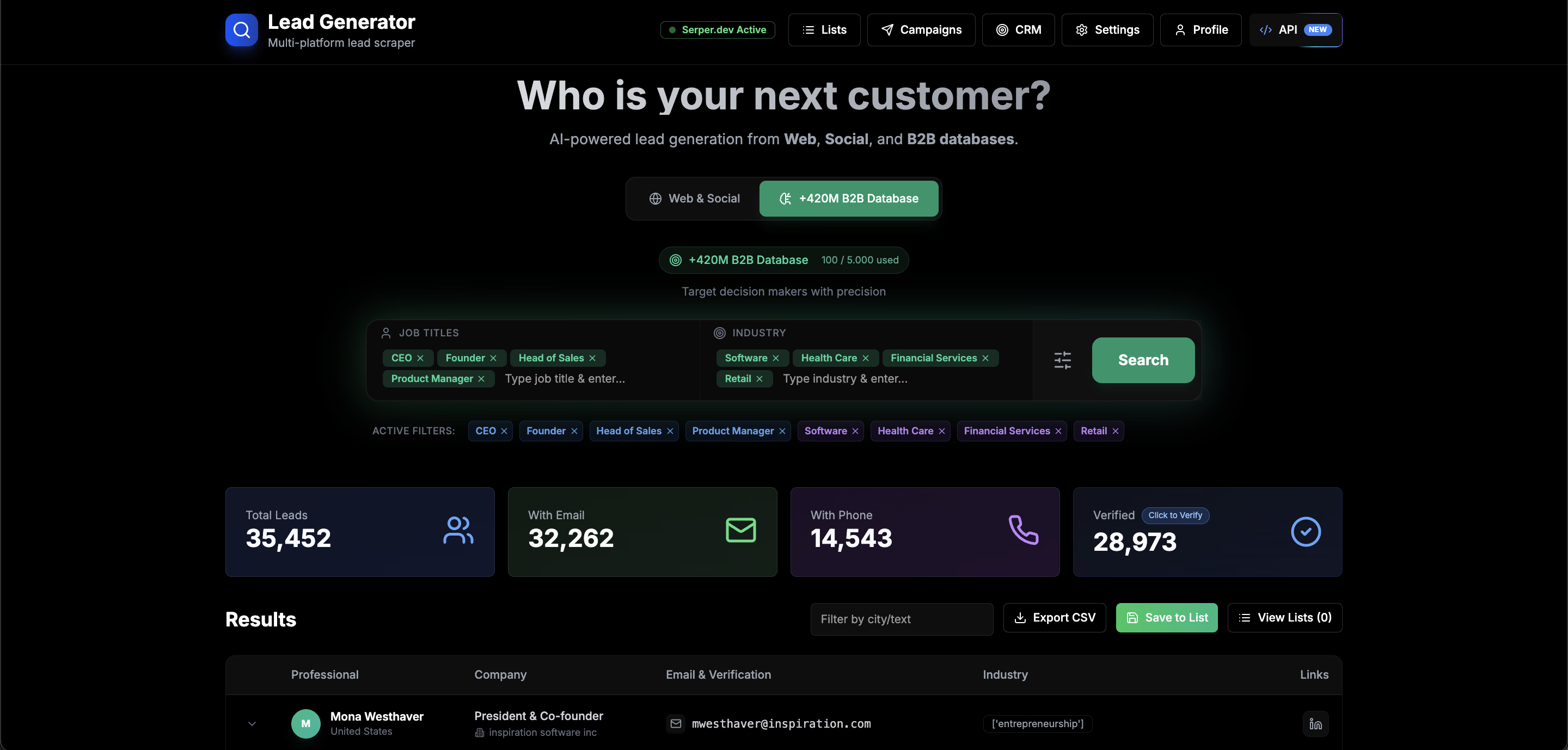
- Verify at import. Every list, scraped or bought or exported, runs through SMTP verification before it enters a campaign. This eliminates most hard bounces.
- Re-verify before big sends. Lists older than 60 days decay 2 to 3% per month. Re-run them.
- Cap catch-alls at 20% of any campaign (full logic in the catch-all guide).
- Suppress bounced addresses globally. One bounce means never again, across all campaigns.
- Watch per-campaign, not per-month. A single bad list can spike a day even when the monthly average looks fine.
FAQ: email bounce rate
What is an acceptable email bounce rate?
Under 2% is healthy. At 3 to 5% reputation damage begins; past 10% the whole domain gets spam-foldered.
What causes a high bounce rate?
Mostly hard bounces from invalid or stale addresses. Unverified and old lists are the main culprits.
How do I lower my bounce rate?
Verify every list before sending, re-verify old lists, cap catch-alls, and suppress bounced addresses globally.
Do soft bounces hurt my reputation?
Less than hard bounces. They are temporary, but high soft-bounce volume still signals list or infrastructure problems.