ON THIS PAGE
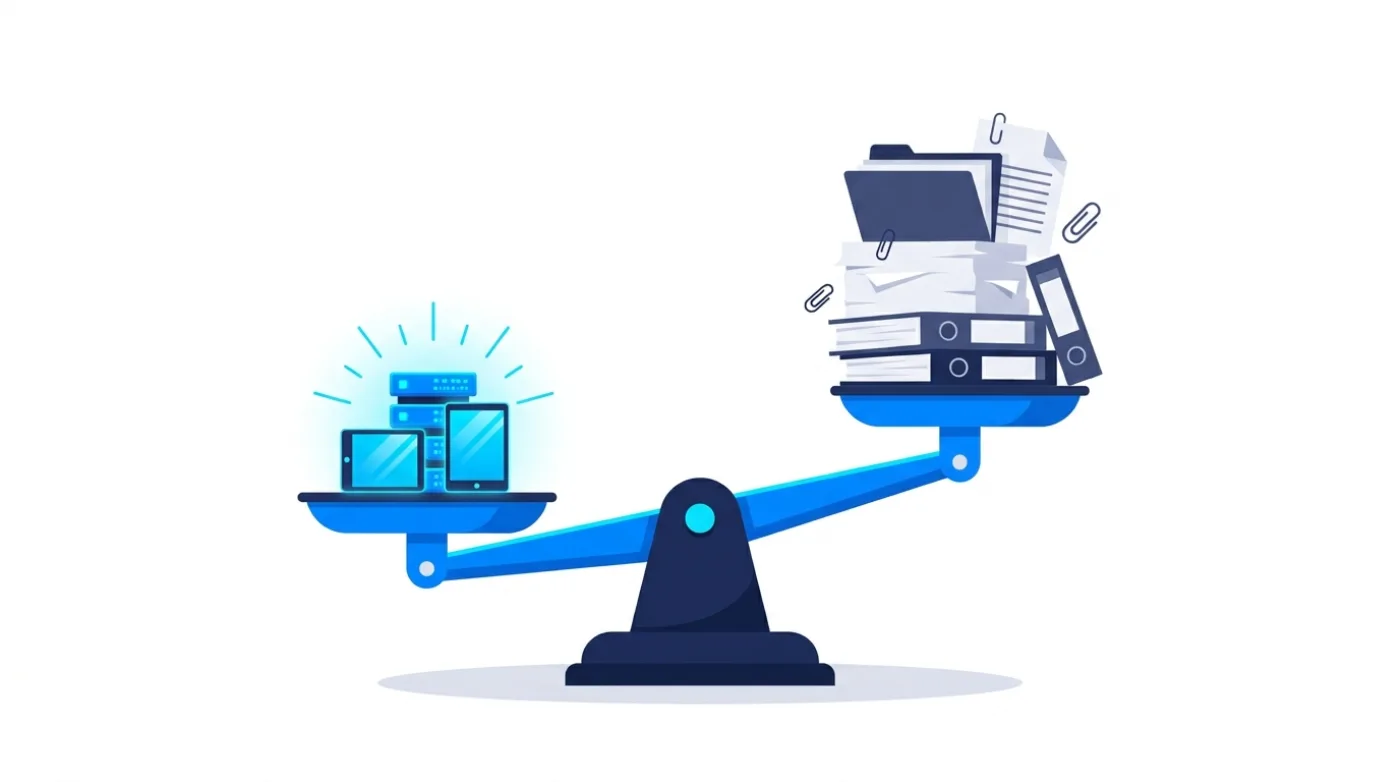
By Efe Berke Colaker, Founder at GetleadReviewed by the Getlead editorial team for accuracy. Last updated August 2026.
A 50,000 record file lands in your inbox for $900. It looks like a bargain until the first campaign goes out and 11,000 emails hard bounce, your domain gets throttled, and the sales team stops trusting the CRM. The file was not overpriced. It was mispriced, because nobody worked out what a usable record cost.
This guide is about that number. We run SMTP verification at scale inside Getlead. So instead of quoting a vendor accuracy badge, we can show what raw B2B data looks like when you actually test it. And what that means for the price you should agree to.
It covers the four ways data is sold in 2026, the arithmetic of cost per usable record, where the law actually draws the line. And the five questions that separate a real vendor from a resold scrape.
What you are actually buying when you buy B2B data
"Buying B2B data" covers four different transactions with very different risk. Getting the category right matters more than negotiating the price, because each one fails in its own way.
The prices above are public list prices as of August 2026. Apollo publishes $59, $99 and $149 per user per month across its paid tiers. ZoomInfo's Professional plan starts around $14,995 a year for three seats with 5,000 credits, and analyses of closed contracts put the median nearer $31,875. Cognism does not publish numbers at all and quotes on request.
The static file is the risky one
A one-off file is the cheapest line item and the most expensive mistake. It has no refresh, no provenance you can audit, and no way to tell resold data from originally sourced data. If the same file has been sold forty times, every prospect on it has already been emailed forty times, and your open rate pays for that.
The only price that matters: cost per usable record
Vendors quote cost per record. Your pipeline is built on cost per usable record, and the gap between the two is the entire game. The formula is boring and nobody runs it:
Two variables decide everything. Deliverable rate is the share of addresses that survive verification. ICP match rate is the share that actually fit the title, company size and geography you asked for. That is where filters quietly overreach and hand you a receptionist instead of a head of ops.
Run the multiplier against the four purchase models above and the ranking changes. The $0.02 file stops being cheap. The subscription with a working filter set and a fresh index stops being expensive. The right question is never "how much per record", it is "how much per record I can actually email".
Worked example on 50,000 records
- Sticker: 50,000 records at $0.018 equals $900.
- Verification drops it: at a 43.4% confirmed valid rate you keep about 21,700 addresses.
- ICP filter drops it again: at a realistic 70% match you keep about 15,190.
- Real cost: $900 divided by 15,190 is 5.9 cents per usable record, more than three times the sticker.
- Now add the cost of verifying, and the cost of the bounces you sent before you verified.
This is why buyers who only compare list prices end up paying the most. A provider charging four times as much per record, with a verified and refreshed index, can still be cheaper per meeting booked. Our own guide to picking between the large vendors goes deeper on that trade off.
Cost per usable record is the sticker price divided by the share of records that survive verification and match the ICP. And it is the only figure that compares vendors fairly.
What 383,368 verified addresses actually look like
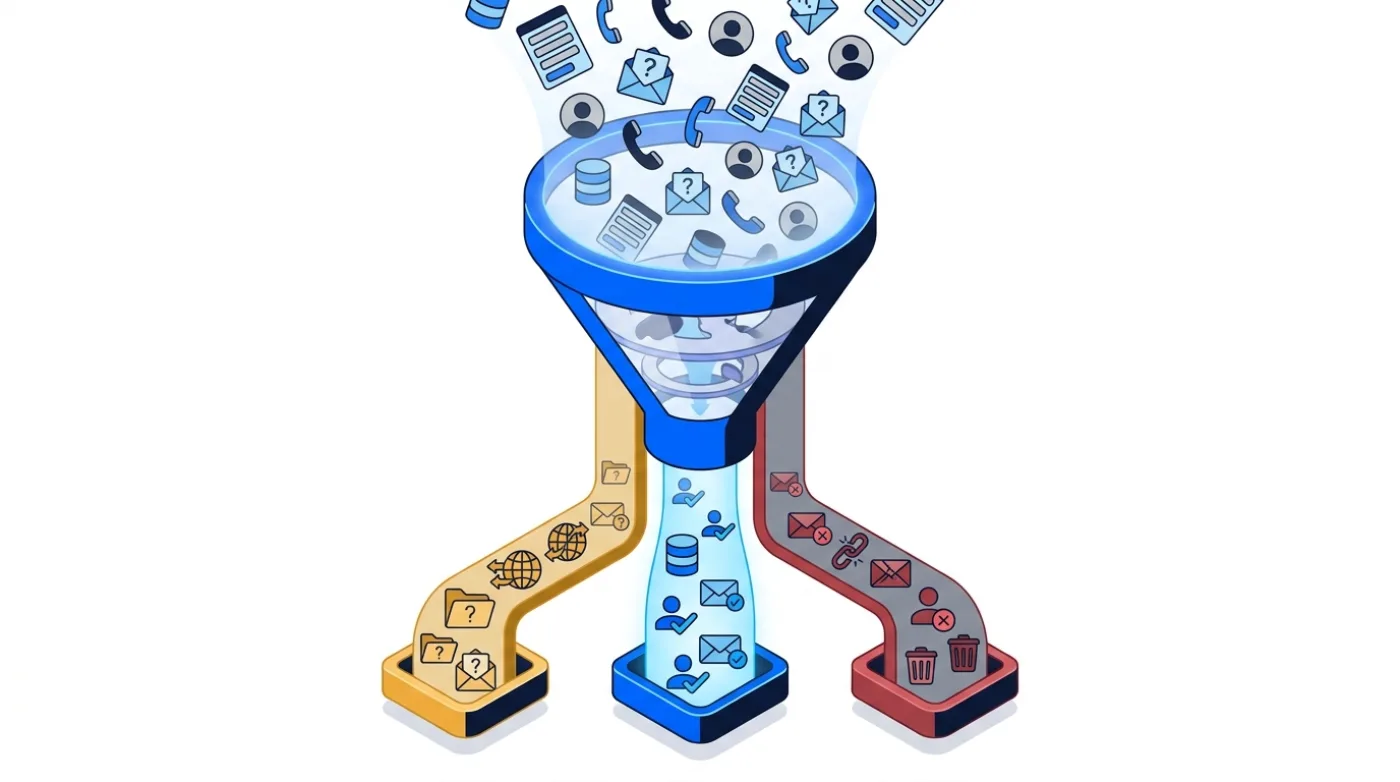
Here is the distribution we see when raw B2B data hits live SMTP verification. This is not a vendor accuracy claim, it is what the mail servers answered.
Just under a quarter of the addresses in a raw list point at a mailbox that no longer exists. Another sixth sit behind catch-all domains that accept everything and confirm nothing. Together that is 40.7% of the file you paid for with no route to the inbox.
Why it decays that fast
Independent research lands in the same range. HubSpot's database decay work, built on MarketingSherpa data, puts B2B contact decay at 2.1% a month, which compounds to roughly 22.5% a year. ZoomInfo's own 2026 pipeline analysis is more pessimistic at 25% to 30% annually. People change jobs, companies get acquired, domains get retired, and the file you bought in January is a different file by October.
Two practical consequences. First, refresh cadence is a real feature and you should pay for it. Second, verification is not optional hygiene, it is the step that converts a purchase into an asset. If your provider cannot verify at the point of export, budget for a separate verifier.
Is buying B2B data legal, and what changes once you send
Short answer: buying is legal in the US, the EU and the UK. The purchase is rarely what gets anyone in trouble. The obligations attach to what you do next.
United States, CAN-SPAM
CAN-SPAM does not require prior consent for commercial email, which is why US outbound works at all. It does require accurate From and Reply-To headers, an honest subject line, a physical postal address in the message. And an opt-out that you honor within 10 business days. Buying the list exempts you from none of it.
EU and UK, GDPR
Business contact data can be processed under legitimate interest, but the assessment has to be yours. You do not inherit the seller's legal basis when the file changes hands. In practice that means documenting a balancing test, keeping the source of the record, honoring objections immediately. And telling the recipient where you got their details on first contact.
- Keep provenance per record, not per file. "We bought it from a vendor" is not a source.
- Run suppression against your own opt-out list before every send, not once at import.
- Treat personal addresses at consumer domains as out of scope for B2B outreach.
- Keep the data minimal. You do not need a phone number to send an email, and unused fields are pure liability.
The deliverability bill nobody prices in
The largest cost of bad data is not the invoice, it is the sending domain. Since 2024 the mailbox providers have enforced hard thresholds. And in May 2025 Microsoft joined with a 550 5.7.515 rejection for non compliant bulk senders.
Gmail, Yahoo and Microsoft all require SPF, DKIM and DMARC for domains sending at volume, one click unsubscribe under RFC 8058 for marketing mail, and a spam complaint rate under 0.3%. That ceiling is brutal in practice: three complaints per thousand emails and you are at the line.
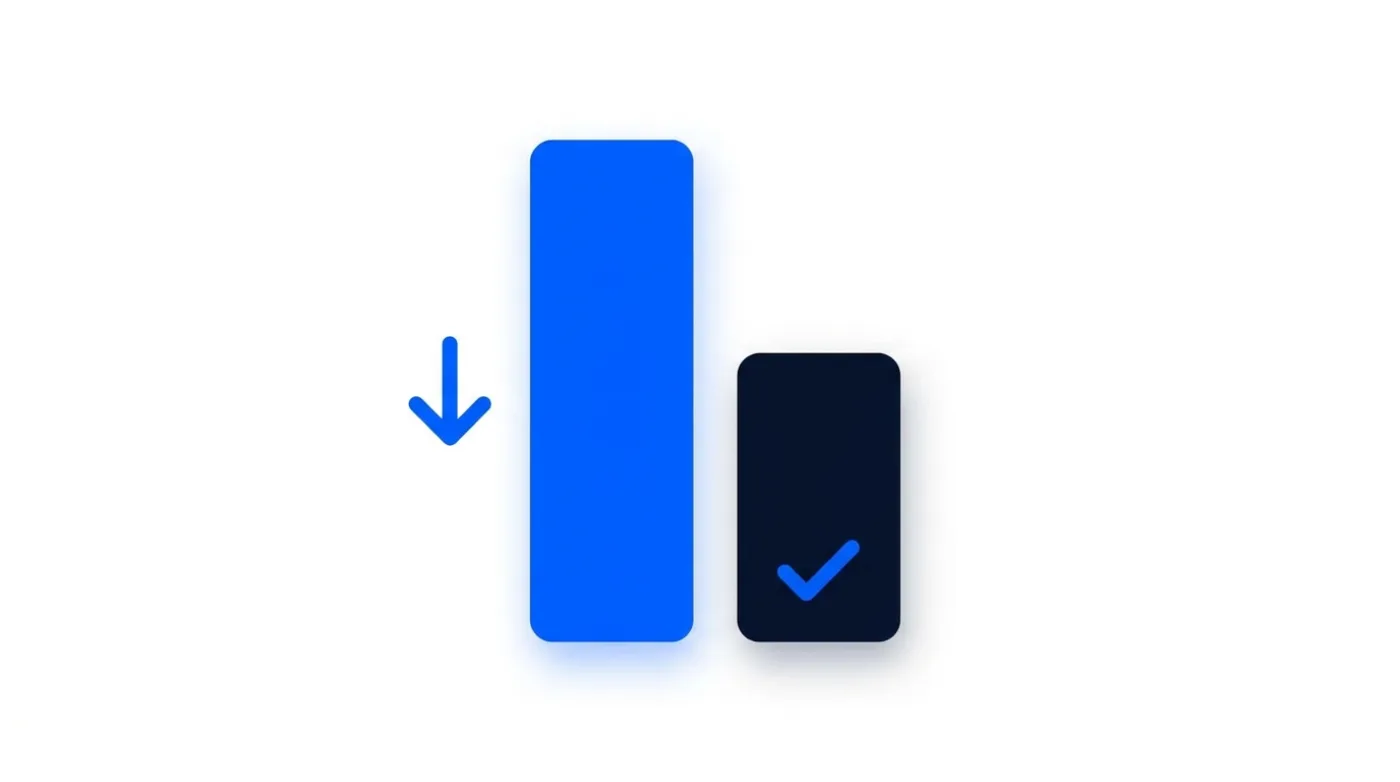
In our send data, campaigns to SMTP verified lists bounced at 0.51%, roughly a six times safety margin under the 3% level where reputation starts to suffer. Send the same campaign to an unverified bought file with 23.9% dead addresses and you are not near the line, you are through it on the first batch.
What a burned domain actually costs
Recovery is measured in weeks, not hours. You warm a new domain, you rebuild reputation, and every day in between is pipeline you did not build. That is why the sequencing matters: verify, then send in small volume, then scale. Our guide to cleaning a list before the first send covers the exact order.
How to test a data vendor before you sign
Every vendor claims 95% accuracy. The claim is unfalsifiable until you test it, and testing takes about an hour. Do this before any annual commitment.
- Buy a paid sample of 500 records in your exact ICP. Refuse free cherry picked samples, they are curated.
- Verify all 500 with a third party SMTP verifier. Record confirmed valid, catch-all, invalid and unknown separately.
- Check ICP fidelity by hand on 50 records. Does the title match, is the company still trading, is the person still there on LinkedIn.
- Ask when each record was last refreshed. If the answer is a file date rather than a per record timestamp, assume it is old.
- Ask for the source of the data and a DPA. A vendor that cannot name its sources cannot defend them later.
Then price the annual contract against the tested deliverable rate, not the quoted one. Two vendors at the same headline price frequently differ by 20 points of confirmed valid, which is a 30% swing in true cost.
Should you buy records or buy access
This is the real decision, and it turns on one question: how often does your list change? If you build a list once a quarter for a fixed territory, a file can work. If you prospect continuously, you are buying a decaying asset every month and paying the verification bill each time.
Continuous prospecting is where access wins. You want a searchable index, filters that hold up, verification at the point of export. And the outbound tooling attached, because the handoff between data and sending is where most stacks leak.
Where Getlead sits, honestly
We are the all-in-one option, not the deepest enterprise dataset. If you need firmographic depth across every EMEA mid market account with intent signals layered on top, Cognism and ZoomInfo have more to sell you and charge accordingly. What we do is remove the seams: a 420M+ record database, SMTP verification, sending with warm-up and a CRM on one flat plan with no credits to top up.
Whichever way you go, price the data on usable records and test before you sign. That single habit is worth more than any vendor comparison table, including ours.
Sources and method
First-party data (Getlead, 2026): the verification split of 43.4% confirmed valid, 23.9% invalid, 16.7% catch-all and 16.0% unknown comes from 383,368 addresses analyzed through live SMTP verification. The 0.51% bounce rate and 35.8% open rate come from 34,973 tracked sends. Both are aggregated and anonymized at campaign level, and the full method is published in our cold email benchmark study.
External sources: contact decay of 2.1% a month compounding to 22.5% a year (HubSpot database decay model, built on MarketingSherpa research); the average cost of poor data quality at $12.9 million a year (Gartner, 2020); bulk sender requirements including the 0.3% spam complaint ceiling and one click unsubscribe (Google Workspace sender guidelines, 2026); CAN-SPAM obligations for commercial email (FTC compliance guide); and legitimate interest as a lawful basis (GDPR Article 6).
Pricing figures for third party tools are public list prices checked in August 2026 and change without notice. Where a vendor does not publish pricing we say so rather than estimate. If you find a number here that has moved, tell us and we will correct it.
Frequently asked questions
Is it legal to buy B2B data?
Yes, in the US, the EU and the UK. Buying is not the regulated act, processing and sending are. Under CAN-SPAM you need accurate headers, a physical address and a working opt-out honored within 10 business days. Under GDPR you need your own legitimate interest assessment, per record provenance and immediate handling of objections. You never inherit the seller's legal basis.
How much does B2B data cost per record?
List purchases run roughly $0.02 to $0.30 per record, credit packs $0.10 to $1.00 per reveal. And seat subscriptions $708 to $1,788 per user per year. Enterprise contracts land between $15,000 and $32,000 a year. The useful number is cost per usable record, which is the sticker price divided by your deliverable rate multiplied by your ICP match rate.
What percentage of a bought B2B list is usable?
In our verification of 383,368 addresses, 43.4% were confirmed valid, 23.9% were invalid, 16.7% were catch-all and 16.0% returned no answer. So roughly 40.7% of a raw list is either dead or unconfirmable before you apply any ICP filter.
Will buying an email list hurt my deliverability?
It will if you send to it unverified. Gmail, Yahoo and Microsoft enforce a spam complaint ceiling of 0.3% and require SPF, DKIM and DMARC at volume. A file with roughly a quarter dead addresses pushes bounce rates past the 3% danger line immediately. Verified lists in our data bounced at 0.51%.
How can I tell if a vendor is reselling scraped data?
Buy a paid sample of 500 records and verify it yourself. Resold and stale data shows up as an unusually high catch-all and invalid share, missing per record refresh timestamps. And vendors who cannot name their sources or sign a data processing agreement.
Is it cheaper to buy a list or subscribe to a database?
It depends on how often you prospect. For a single quarterly campaign in a fixed territory a one-off file can be cheaper. For continuous outbound you re-buy the decay every month. So access to a refreshed and verified index usually wins on cost per meeting even at a higher headline price.