ON THIS PAGE
Choosing between B2B data providers comes down to three questions: how fresh is the data, how do you pay for it, and what happens after the export. In 2026 the market splits into enterprise contracts (ZoomInfo), per-seat credit plans (Apollo, Lusha, UpLead) and flat-rate all-in-one tools. This guide ranks the best B2B data providers on database size, verified email accuracy and total cost.
Every provider here sells real B2B contact data. The ranking reflects value for teams that actually send outbound, not just browse dashboards: verified emails, honest pricing and no surprise meters. For the product view of ours, see the B2B lead database.
Quick comparison
The table is the shortcut. The detail below is where the real decision gets made.
1. Getlead (our pick)

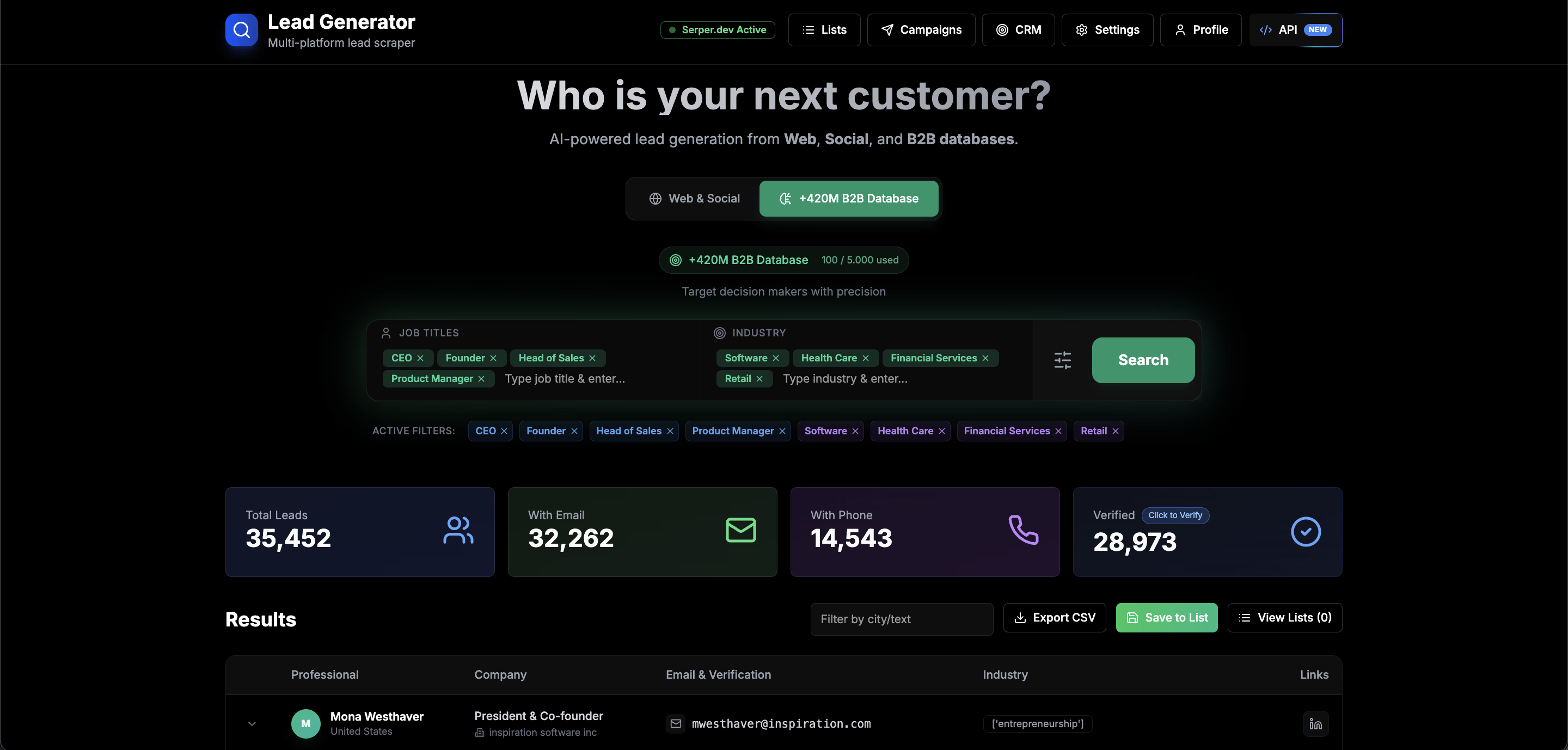
Getlead is the all-in-one pick: lead scraping across 10 sources, a 177M+ verified B2B database, real-time SMTP verification, cold email sending with AI warm-up, and a built-in CRM. The differentiator is the model: a flat subscription from $19.90 a month instead of stacking three monthly subscriptions.
2. ZoomInfo
ZoomInfo is the enterprise standard: best-in-class firmographic data, intent signals and org charts. It is also priced like enterprise software, with contracts starting around $15,000 a year and procurement cycles to match.
3. Apollo.io
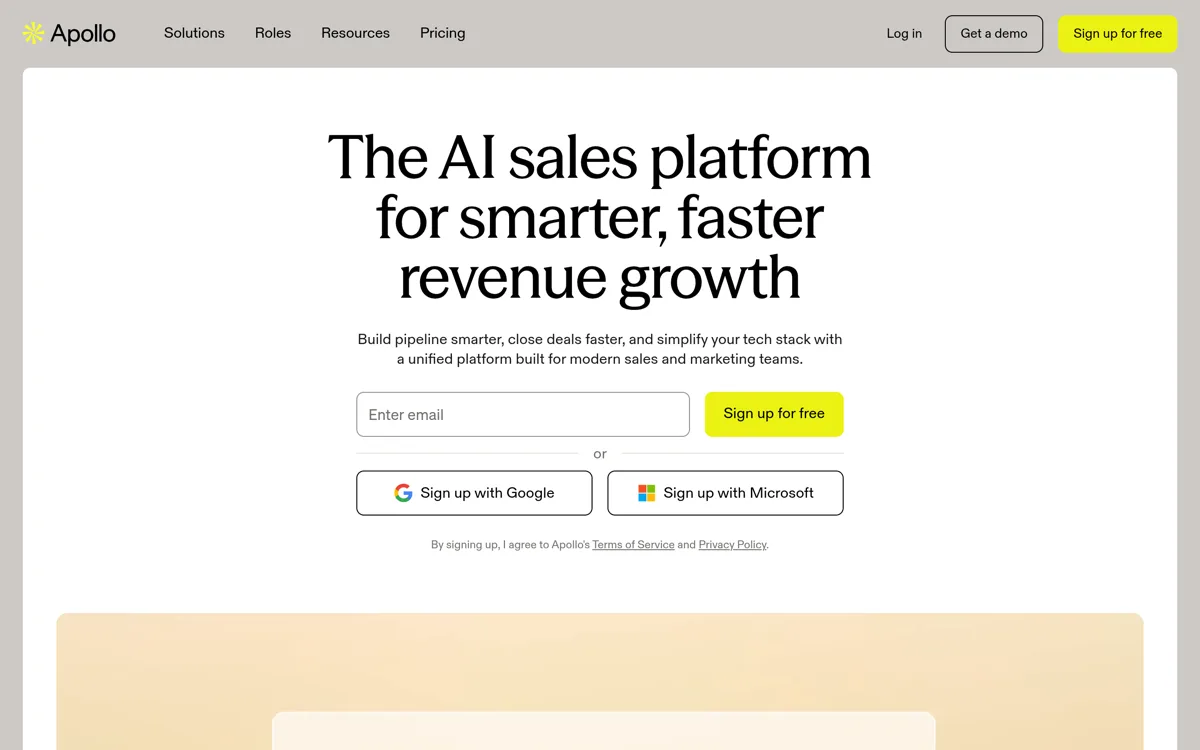
Apollo is data-first: one of the largest native databases here, plus a dialer, sequencing and buying-intent signals on higher tiers. The catch is credit-based, per-seat pricing that makes an active seat cost far more than the sticker.
4. UpLead
UpLead's pitch is accuracy: a 95% data accuracy guarantee with real-time email verification built into exports. The trade-off is price per credit, entry plans start at $99 a month and volume prospecting gets expensive fast.
5. Lusha
Lusha is the reveal button: a browser extension that surfaces emails and direct dials on LinkedIn profiles, backed by a searchable database. It is credit-metered per contact reveal, so active prospectors burn through allowances quickly and phone credits cost extra.
6. RocketReach
RocketReach is a people-search engine: strong coverage across 700M+ profiles, good for looking up specific individuals anywhere. Lookups are credit-metered per month, phone data sits on higher tiers, and there is no real outreach layer.
7. Seamless.AI
Seamless.AI searches in real time instead of serving a static database, which keeps data fresh but variable. Pricing is quote-based beyond the free tier, contracts are annual, and users report aggressive upsells. No sending layer.
8. Hunter.io
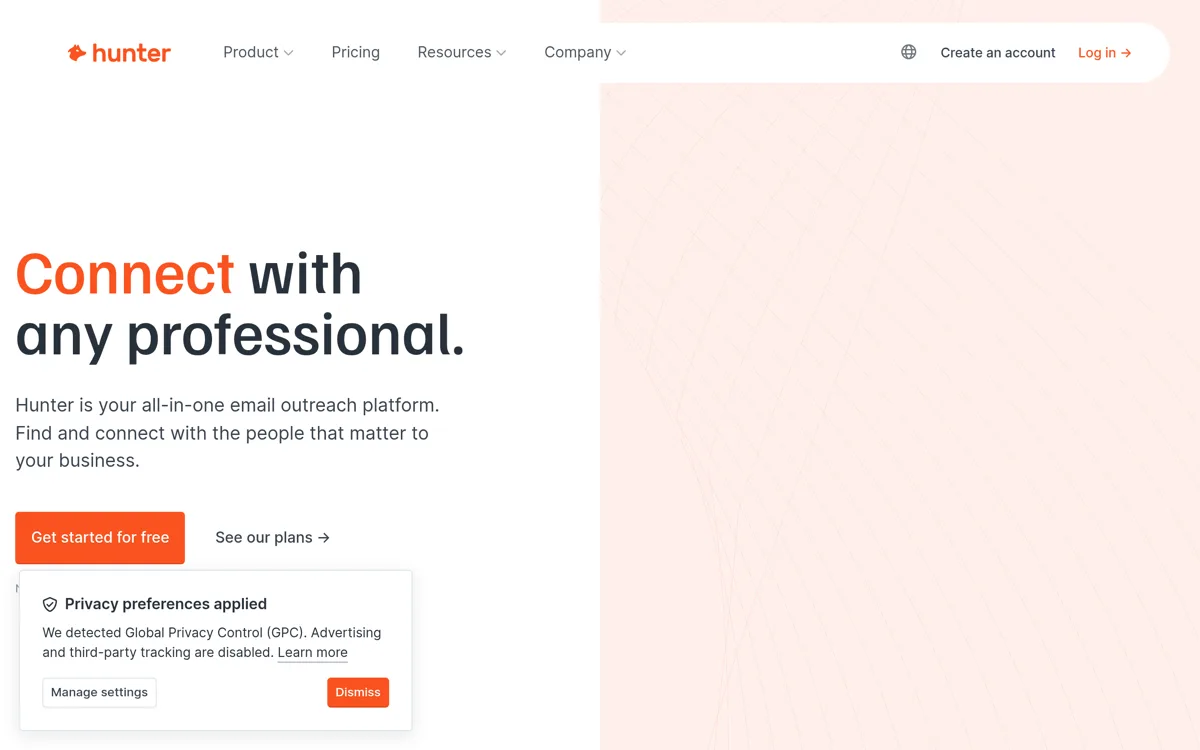
Hunter is excellent at one job: domain email search. Give it a company and it returns likely addresses and the pattern. It is weak as a full prospecting tool because it cannot search a large database by persona or send at scale.
9. Snov.io
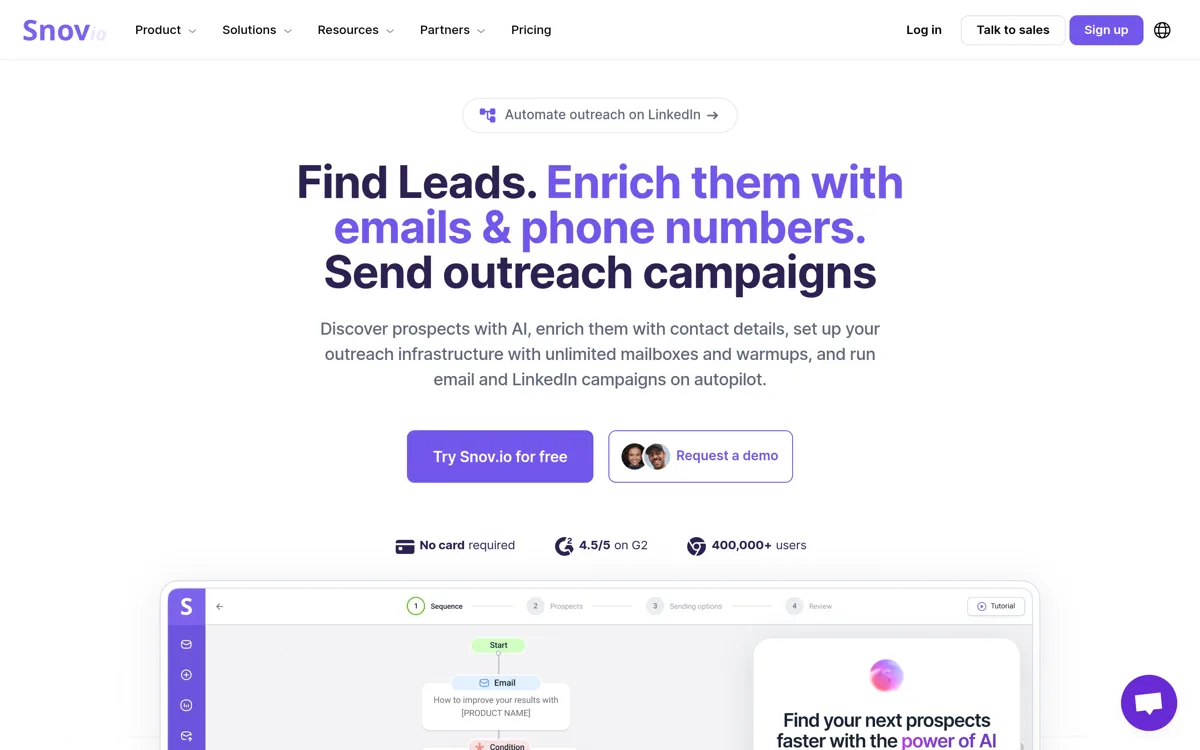
Snov bundles a lead finder, verifier and sender at an accessible price. The friction is the shared credit pool: finding, verifying and enriching all draw from the same credits, so a heavy month in one area starves the others.
10. Wiza
Wiza does one job well: export a Sales Navigator search and get back verified emails. Per-seat plans plus credit top-ups meter the volume, Sales Navigator itself is a separate $99/mo cost, and there is no sending layer.
How to choose the right tool
Cut through the list with two questions. First, how many tools are you replacing? If you are paying for a database plus a verifier plus a sender, an all-in-one saves the most. Second, credit packs or flat allowances? If you run outbound continuously, one flat plan pays for itself in weeks. Whatever you pick, verify every list with a free email verifier and check your domain with the deliverability test before scaling.
Provider, database, service or list: what you are actually buying
The same budget buys four different things. Know which one you need before you take a demo.
- Searching a maintained B2B lead database beats buying files for any team that sends every month.
- If you must buy records, work out the cost per usable record first: our guide to buying B2B data shows the math on 383,368 verified addresses.
- Managed sourcing and enrichment are a different market: B2B data services explains the six categories and how to vet a supplier.
- New to the category? Start with what a lead database is and how it is built.
Free B2B data: what you can get without paying
Free tiers exist, but they are samples, not a pipeline.
- Apollo: 75 credits a month on the free plan, enough to test data quality in your segment.
- Hunter: 50 credits a month, for domain searches on accounts you already know.
- Getlead: free tools with no signup, including an email finder, an email verifier and a reverse email lookup.
- Avoid free "B2B leads database download" files: they are usually old, unverified and shared with thousands of other senders.
FAQ
Who is the best B2B data provider in 2026?
For value, Getlead: a 177M+ verified database with SMTP checks on export, plus cold email sending, on one flat $19.90 plan. For enterprise depth with org charts and intent data, ZoomInfo leads if the budget supports a $15,000+ annual contract.
How much do B2B data providers charge?
Three models: enterprise contracts (ZoomInfo, $15,000+ a year), per-seat credit plans (Apollo $49 to $119 per seat a month billed yearly, Lusha and UpLead similar) and flat plans (Getlead from $19.90 a month with allowances instead of credits).
What is the most accurate B2B data provider?
Accuracy depends on verification timing more than brand. Providers that verify at export time, like Getlead with a live SMTP handshake, keep bounce rates under 2%. A static list verified months ago decays 2 to 3% every month.
Are there free B2B data providers?
Only free tiers: Apollo gives 75 credits a month and Hunter 50, which is enough to test quality but not to run outbound. Free downloadable B2B databases are usually stale, unverified and already emailed by thousands of other senders.
How do B2B data providers get their data?
From public business sources (company websites, professional profiles, registries, job posts), licensed partner data and contributory networks, then email pattern detection and SMTP verification. Ask any vendor which of these they use and when each record was last verified.
What is the difference between a B2B data provider and a B2B database?
A B2B database is the product: a searchable set of companies and contacts. A B2B data provider is the company that builds and sells access to it. Most providers sell database access; some also sell managed data services or one-off lists.
Should I buy a static B2B database?
Usually no. One-off purchased lists arrive already decaying and often unverified. A live database subscription costs less than most one-off lists and every export is re-verified fresh.
Are B2B data providers GDPR compliant?
Reputable providers process publicly available business contact data, which supports outreach under CAN-SPAM and GDPR legitimate interest, provided the sender identifies honestly and honors opt-outs.